
Building a durable home garage for motorsport projects is about far more than just having four walls and a concrete slab. For anyone serious about track days, restorations, engine builds, or long-term performance tuning, the garage becomes the heart of the operation. It’s where ideas turn into action, where late nights lead to faster lap times, and where mistakes can either cost a weekend—or be avoided entirely with the right setup.
A truly durable garage supports your workflow, protects expensive equipment, adapts as projects evolve, and stands up to years of heavy use. Whether you’re building a dedicated race car or maintaining a high-performance weekend machine, the right decisions upfront will save you time, money, and frustration for years to come.
Planning a Garage Layout That Supports Serious Builds

A well-planned layout is the foundation of a durable motorsport garage because it determines how efficiently you can work, how safely you can move around vehicles, and how easily the space can adapt as projects become more complex. Before buying tools or upgrading infrastructure, it’s critical to think through how you’ll actually use the space on a day-to-day basis—not just on a perfect build day, but during rushed repairs, late-night troubleshooting, and long-term projects that occupy the garage for weeks or months.
Start by breaking your garage into functional zones. Even in a single-car or two-car garage, defining clear areas can dramatically improve efficiency and reduce mental clutter. When each task has a “home,” you spend less time searching for tools, stepping over parts, or reconfiguring the space mid-project.
Key zones to plan for include:
- A primary work area for mechanical tasks, large enough to comfortably access all sides of the vehicle. This space should accommodate jacks, stands, engine hoists, and creepers without forcing you to constantly move items out of the way.
- A clean assembly or tuning space, separate from heavy mechanical work. This is where sensitive components like cylinder heads, electronics, or suspension assemblies can be handled without exposure to dirt, metal shavings, or spilled fluids.
- Parts and tool organization zones that keep everything visible and categorized. Mixing small parts with large tools quickly leads to lost hardware and unnecessary delays.
- Vehicle staging and movement paths, allowing cars to be rolled in and out smoothly without having to dismantle half the garage first.
Smart garage storage plays a major role in making these zones work together. Wall-mounted cabinets keep tools off the floor and protect them from moisture, while heavy-duty shelving supports bulky items like spare wheels, transmissions, or boxed components. Modular systems are especially valuable because motorsport projects evolve—what works for a suspension upgrade may not work for an engine swap six months later.
Avoid cheap storage solutions that sag under weight or warp with temperature changes. Durability matters when storing engine components, fluids, and specialty tools that may sit untouched for long periods before being needed again. Poor-quality storage doesn’t just fail over time; it can damage the very parts it’s meant to protect.
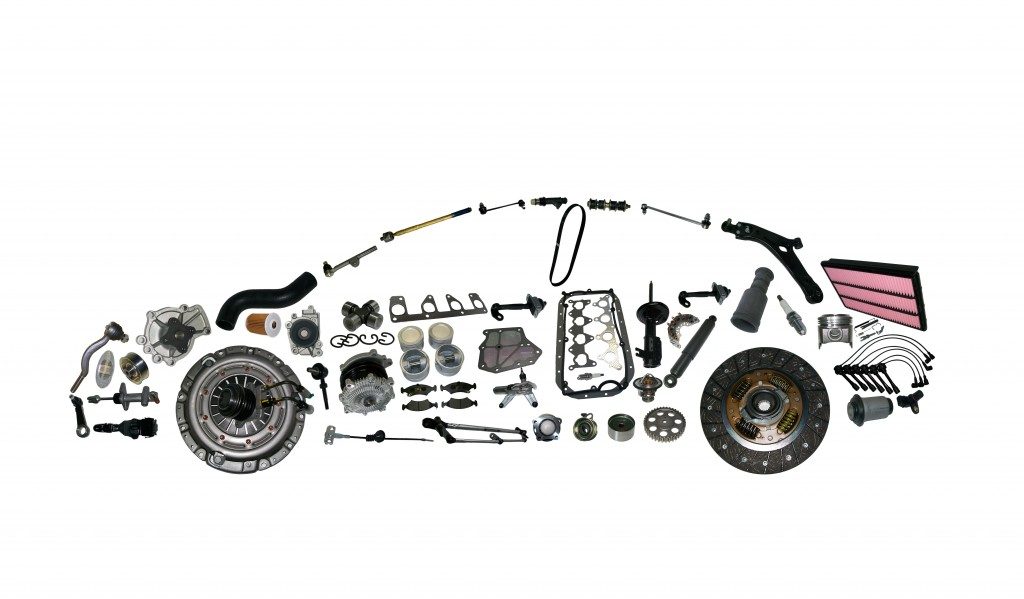
Equally important is planning how you’ll source parts during builds. Being close to reliable local auto parts suppliers allows you to recover quickly from mistakes, damaged components, or missing hardware without derailing a full workday. When the layout supports fast unpacking, inspection, and staging of new parts, you reduce the risk of installing incorrect components or contaminating clean assemblies.
Consider dedicating a small surface or rolling cart specifically for incoming parts. This allows you to:
- Verify part numbers and condition immediately
- Lay out components in installation order
- Keep packaging materials away from the main work area
- Prevent small hardware from getting lost in the shuffle
Layout planning tips that pay off long-term:
- Leave open floor space around the vehicle for jacks and stands so you’re not constantly repositioning equipment.
- Place storage vertically to preserve movement lanes and reduce tripping hazards.
- Keep frequently used tools within arm’s reach of the main work area to minimize wasted motion.
- Plan electrical outlets and lighting around where work actually happens, not where it’s convenient to install them.
A thoughtful layout doesn’t just make the garage easier to work in. It actively reduces mistakes, shortens project timelines, and minimizes physical strain. Most importantly, it creates a space that can adapt as your motorsport ambitions grow—from simple upgrades to full builds—without forcing constant reorganization or costly redesigns.
Creating a Work Environment Built for Mechanical Reliability
A durable garage should function like a professional-grade workspace, even if it’s attached to your home. This means designing systems that support repeated mechanical work without wearing down the space—or you—over time. The goal is to create an environment that remains dependable after years of use, not one that slowly deteriorates as projects become more demanding.
One of the biggest differences between hobby garages and professional environments is infrastructure. If you regularly handle intensive auto repairs, your garage needs to support sustained mechanical loads, chemical exposure, and long work sessions without forcing constant workarounds. Structural elements, surfaces, and utilities should be chosen with repetition in mind, not just occasional use.
Lighting is often underestimated, yet it has a direct impact on accuracy and safety. Overhead lighting should be bright and evenly distributed to eliminate dark zones around the vehicle, especially under hoods and chassis areas. Task lighting should be adjustable and capable of illuminating tight spaces without casting harsh shadows. Poor lighting leads to misread markings, improperly torqued fasteners, and increased fatigue—issues that can become expensive problems later when a missed detail causes a failure on track or on the road.
Electrical capacity is another critical factor in building a reliable workspace. Many motorsport projects involve compressors, welders, battery chargers, diagnostic equipment, and power tools running simultaneously. Standard residential circuits are rarely designed for this kind of load. Upgrading circuits early prevents nuisance breaker trips, reduces fire risk, and allows you to work without constantly scheduling tasks around electrical limitations.
To match the efficiency of a true auto repair shop, consider:
- Installing multiple dedicated circuits so high-draw equipment doesn’t compete for power
- Adding ceiling-mounted air and power reels to keep hoses and cords off the floor
- Improving ventilation for fumes, dust, and heat generated during long work sessions
- Using sealed flooring that resists oil, solvents, and brake fluid while remaining easy to clean
Ventilation deserves special attention in a motorsport garage. Engines, chemicals, and welding operations generate heat and fumes that can quickly make the space uncomfortable or unsafe. A combination of passive airflow and active exhaust helps maintain air quality while protecting tools and vehicles from corrosion caused by trapped moisture.
Noise control and comfort also matter more than most builders expect. Insulation reduces not only sound transfer to the rest of the home, but also helps regulate temperature. Weather sealing prevents drafts and keeps dust and moisture from creeping into sensitive work areas. Together, these upgrades make it possible to work longer without fatigue—especially during summer months or extended build sessions when focus and precision are critical.
When your garage supports demanding work conditions reliably, you spend less time fighting the environment and more time making meaningful progress on your projects. Over time, this consistency turns the garage into a dependable workspace rather than a limiting factor, allowing you to approach complex builds with confidence and efficiency.
Protecting Vehicles and Tools From Weather and Impact
Durability isn’t only about handling mechanical stress—it’s also about protecting your investments from environmental damage. Motorsports vehicles and tools are especially vulnerable to moisture, wind, debris, and temperature swings.
One of the most effective upgrades for storm-prone areas is installing quality hurricane impact windows. These windows help protect vehicles, tools, and interior finishes from flying debris while also improving insulation and noise reduction. Even outside of extreme weather, impact-rated windows add rigidity and long-term resilience to the structure.
Doors are another common failure point in garages. Lightweight or poorly installed doors can warp, leak, or fail under pressure, exposing the entire space to damage. Working with a reputable local garage door company ensures the door system is properly rated, installed, and sealed for your specific conditions.
Weather-protection strategies that actually work:
- Sealing all penetrations and gaps
- Using moisture-resistant wall finishes
- Elevating sensitive tools and electronics
- Managing airflow to prevent condensation
By treating the garage as a protective enclosure—not just a workspace—you extend the lifespan of everything inside it, from torque wrenches to track-ready vehicles.
Building Reliable Entry Points for Daily Garage Use
Garage doors and drive surfaces take more abuse than almost any other part of the structure, yet they’re often treated as purely cosmetic features. In a motorsport garage, these components are functional systems that must withstand constant use. Vehicles roll over them repeatedly, heavy equipment crosses thresholds, and weather attacks them from the outside year-round. Over time, even small weaknesses can compound into major failures that affect both usability and safety.
Professional-grade garage door installations are essential for long-term durability because the door is one of the largest moving components in the entire garage. A properly installed door opens smoothly, seals tightly, and maintains alignment through thousands of cycles without sagging or binding. This reliability matters when you’re moving vehicles in and out frequently, sometimes multiple times a day, or when the door must support added weight from insulation or reinforcement.
Poor installations, on the other hand, create a cascade of problems. Misaligned tracks cause uneven wear on rollers and motors, while inadequate anchoring can place stress on the framing of the garage opening. Over time, this leads to noisy operation, premature motor failure, and gaps that allow moisture, dust, and pests into the workspace. In severe cases, structural stress from an improperly installed door can even affect the surrounding walls.
The surface leading into the garage deserves equal attention because it directly impacts both vehicle condition and garage longevity. Cracked or uneven pavement creates drainage problems that funnel water toward the garage rather than away from it. This increases the risk of moisture intrusion, corrosion of tools, and deterioration of flooring and walls. It also increases wear on suspension components, especially for lowered or track-focused vehicles with limited clearance.
Timely asphalt repair helps maintain smooth access while preventing water from pooling near the foundation or flowing into the workspace. Addressing small cracks early prevents them from expanding under freeze-thaw cycles or heavy vehicle loads. A well-maintained surface also improves traction when moving cars or equipment, reducing the risk of slips or uncontrolled movement.
Best practices for durable access points include:
- Choosing doors rated for frequent use and heavy weight to handle constant cycling
- Reinforcing tracks and mounting points so the system remains stable over time
- Maintaining a proper slope away from the garage to direct water away from the structure
- Inspecting surfaces annually for cracks, settling, or drainage issues before they worsen
When entry points are reliable, daily use becomes frictionless. Vehicles move in and out smoothly, equipment rolls without resistance, and weather stays where it belongs—outside. This reliability protects the garage itself while preserving the time, effort, and investment you’ve put into your motorsport projects, even during periods of heavy use or harsh weather.
Supporting Ongoing Maintenance and Performance Upkeep
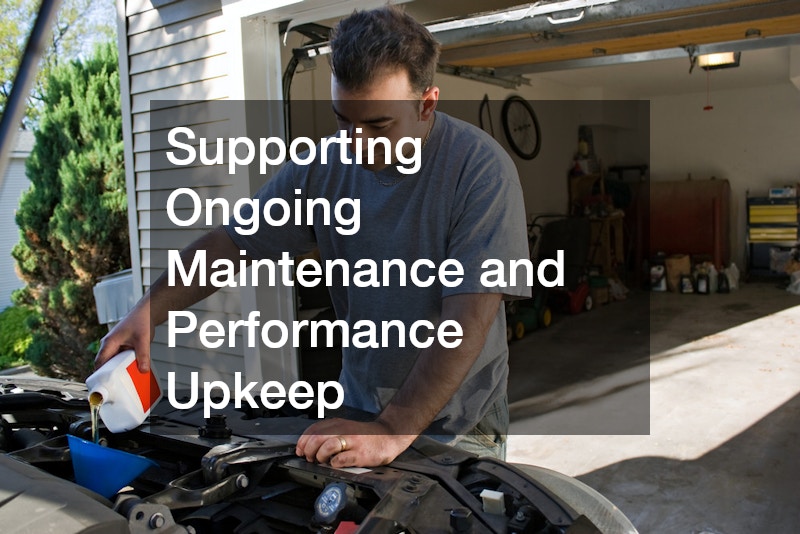
A motorsport garage isn’t just for big builds—it’s also where routine performance maintenance happens. Designing the space to support regular upkeep keeps vehicles in peak condition and reduces last-minute stress before events.
Wheel and tire management is a major consideration. Allocating space for tire racks, balancing equipment, and inspection areas makes it easier to work with tire shops when rotating compounds or preparing for track conditions. Efficient storage and handling also prevent flat spots and damage during the off-season.
Cleanliness plays a surprising role in performance longevity. Dedicated detailing areas help preserve paint, aerodynamic components, and interior materials. Working alongside professional auto detailers becomes easier when the garage is designed for washing, drying, and protective treatments without contaminating mechanical zones.
Maintenance-focused layout considerations:
- Separate clean and dirty work areas
- Dedicated storage for fluids and consumables
- Easy access to compressed air and water
- Clear pathways for moving wheels and components
By supporting ongoing maintenance—not just major projects—you turn the garage into a reliable performance hub rather than a reactive repair space.
A durable home garage for motorsport projects is an investment that pays off every time you turn a wrench. When layout, infrastructure, protection, access, and maintenance are all thoughtfully planned, the garage becomes more than a workspace—it becomes a competitive advantage.
Over time, a well-built garage reduces downtime, protects expensive equipment, and makes every project more enjoyable. Whether you’re chasing lap times, building reliability, or simply enjoying the process, the right garage setup ensures your motorsport passion has a solid foundation for years to come.