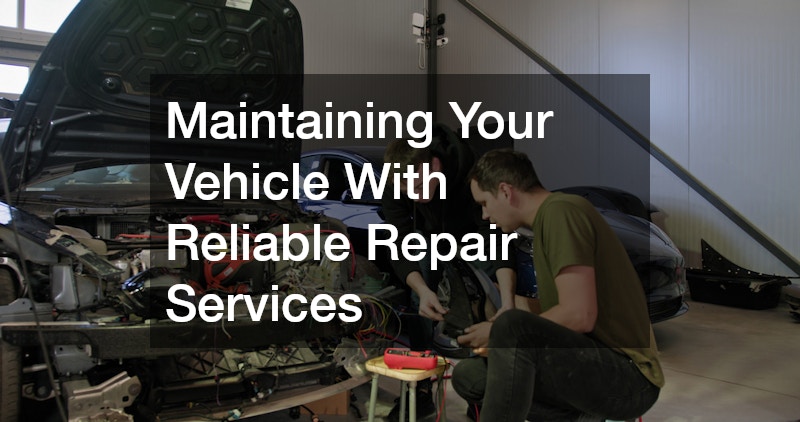
Taking care of your vehicle isn’t just about fixing problems when they happen—it’s about preventing them in the first place. A well-maintained car runs more efficiently, lasts longer, and saves you money over time. Many drivers wait until something breaks before visiting a shop, but this reactive approach often leads to more expensive and time-consuming repairs.
By understanding how to properly maintain your vehicle and when to seek professional help, you can avoid unnecessary stress and keep your car in peak condition year-round. This guide will walk you through practical, actionable strategies to help you stay ahead of issues, make informed decisions, and get the most out of your vehicle.
Build a Preventative Maintenance Routine That Saves Money

One of the most effective ways to extend the life of your vehicle is by creating a consistent maintenance routine. Regular upkeep reduces the likelihood of breakdowns and ensures that small issues don’t turn into major problems.
Start by following your vehicle manufacturer’s recommended schedule. This typically includes oil changes, tire rotations, brake inspections, and fluid checks. Sticking to these intervals helps ensure that your engine and other critical components function properly.
Professional auto services play a key role in this process. Routine inspections by trained technicians can identify wear and tear before it becomes serious. For example, a mechanic may notice a minor leak or worn belt that you wouldn’t catch on your own.
In addition, staying on top of general car repair needs—such as replacing filters or maintaining proper tire pressure—can improve fuel efficiency and overall performance. Keeping a maintenance log is also helpful, as it allows you to track what has been done and anticipate what’s next.
Preventative care is always more affordable than emergency fixes, making this routine one of the smartest investments you can make as a vehicle owner.
Recognize Early Warning Signs Before Problems Get Worse
Your vehicle often gives subtle clues when something isn’t right. Learning to recognize these signs can help you address issues before they escalate.
Common warning signals include unusual noises, vibrations, or changes in handling. For instance, a squealing or grinding sound when braking may indicate worn components that require immediate attention. Ignoring these symptoms can lead to more extensive—and expensive—damage.
Auto brake repairs are especially critical because they directly impact your safety. If you notice a longer stopping distance, a soft brake pedal, or a warning light on your dashboard, it’s important to have your system inspected as soon as possible.
Paying attention to these early indicators not only prevents further damage but also ensures your vehicle remains safe to drive. Acting quickly can make the difference between a simple fix and a major repair.
Act Quickly After Minor Damage to Avoid Bigger Repairs
Small dents, scratches, or cosmetic damage may seem insignificant, but they can lead to larger problems if left untreated. Moisture can seep into exposed areas, causing rust and weakening the structure of your vehicle over time.
Addressing these issues early with dent repair helps maintain both the appearance and integrity of your car. Even minor imperfections can affect resale value, so it’s worth taking care of them promptly.
Choosing a provider that specializes in local auto body repairs ensures that the work is done efficiently and correctly. Local professionals often provide faster turnaround times and personalized service, making them a convenient option for quick fixes.
By taking care of minor damage right away, you prevent it from becoming a costly and time-consuming issue down the road.
Handle Cracks and Chips Before They Spread

Damage to your vehicle’s glass is more than just a cosmetic issue—it can compromise safety and visibility in ways many drivers underestimate. Even a small chip or hairline crack can weaken the structural integrity of your windshield, which plays a critical role in supporting the roof and ensuring proper airbag deployment during a collision. What starts as a minor imperfection can quickly worsen due to temperature fluctuations, road vibrations, moisture, and everyday driving conditions.
Auto glass repair is often a simple and cost-effective solution when the damage is minor. Technicians can fill chips and small cracks with specialized resin, restoring clarity and preventing the damage from spreading further. Acting quickly is key—delaying repairs allows debris and moisture to enter the damaged area, making it harder to fix and increasing the likelihood of needing more extensive work.
However, in cases where the damage is too large, located in the driver’s line of sight, or has already spread significantly, windshield replacements may be necessary. Driving with a severely cracked windshield not only obstructs your view but also reduces the effectiveness of safety features like airbags, increasing the risk of injury in an accident.
It’s important to address glass issues as soon as they appear. Many insurance policies cover repairs or replacements, making it easier to handle the problem without high out-of-pocket costs. Prompt action ensures your vehicle remains safe, roadworthy, and compliant with visibility standards.
Know What to Do Immediately After an Accident
Accidents can be stressful, but knowing what steps to take can make the recovery process smoother and more manageable.
First, ensure everyone’s safety and contact emergency services if needed. Check yourself and passengers for injuries, then move to a safe location if the vehicle is drivable. Turn on hazard lights to alert other drivers. Once immediate safety concerns are addressed, document the scene thoroughly by taking clear photos of all vehicles involved, license plates, road conditions, traffic signs, and any visible damage. Exchange contact and insurance information with other parties, and if there are witnesses, try to gather their statements as well. This documentation is essential for insurance claims and repair estimates.
Once the immediate situation is handled, seek professional collision repair services to restore your vehicle. Even if the damage appears minor, underlying structural issues may exist that can compromise safety. A proper inspection ensures that hidden problems are identified and addressed early.
Choosing a reputable auto collision shop ensures that your vehicle is repaired according to industry standards. Skilled technicians use specialized equipment to realign frames, replace damaged parts, and restore your car to its original condition. They also work closely with insurance companies to streamline the process and minimize delays.
Taking the right steps after an accident helps protect your investment and ensures your vehicle remains safe to drive.
Choose the Right Repair Facility for Long-Term Reliability
Not all repair shops are created equal, so selecting the right one is crucial for maintaining your vehicle’s health. Taking the time to evaluate your options upfront can save you from costly mistakes, poor workmanship, or repeat visits for the same issue.
Look for facilities with certified technicians, positive customer reviews, and clear warranties on their work. Certifications indicate that technicians have undergone proper training and stay up to date with industry standards. Online reviews and testimonials can give you insight into customer experiences, including turnaround times, communication, and overall satisfaction. Transparency is key—reputable shops will explain the repairs needed in plain language, provide detailed estimates, and answer any questions before starting any work. Avoid shops that pressure you into unnecessary services or hesitate to share pricing details.
Auto body centers often specialize in restoring vehicles after damage, offering advanced tools and expertise that general shops may not have. These centers are particularly useful for more complex repairs that require precision and attention to detail, such as structural alignment, paint matching, and panel replacement. Their specialized equipment helps ensure repairs are completed correctly and safely the first time.
Building trust with a reliable shop ensures that your vehicle receives consistent, high-quality care. Over time, this relationship can lead to better service, more accurate diagnoses, and even preventative recommendations tailored to your vehicle’s history and driving habits.
Stay Consistent With Routine Inspections and Tune-Ups

Regular inspections are essential for catching potential problems early. Even if your vehicle seems to be running smoothly, underlying issues can develop without obvious symptoms. Small problems—like worn belts, low fluid levels, or minor leaks—can quietly worsen over time and eventually lead to major mechanical failures if they aren’t addressed promptly.
Scheduling periodic visits for auto services allows professionals to evaluate key systems such as the engine, transmission, and suspension. During these visits, technicians often perform diagnostic scans, inspect hoses and connections, and check for signs of corrosion or damage. These check-ups help identify wear and tear before it leads to breakdowns, giving you the opportunity to fix issues while they’re still manageable and affordable.
Tune-ups also play a significant role in maintaining performance. Replacing spark plugs, cleaning fuel systems, and ensuring proper calibration can improve fuel efficiency and reduce emissions. In addition, tune-ups help your engine run more smoothly, which reduces strain on other components and extends the overall lifespan of your vehicle.
Consistency is key. By making inspections a regular part of your routine, you can keep your vehicle running efficiently and avoid unexpected repairs. Setting reminders based on mileage or time intervals, and sticking to a trusted service schedule, will make sure that nothing important gets overlooked and your vehicle remains dependable day after day.
Understand Repair Costs and How to Budget Smartly
Vehicle maintenance can sometimes feel unpredictable, but understanding common costs can help you plan ahead.
Basic car repair expenses, such as brake pad replacements or battery changes, are relatively affordable when addressed early. These smaller fixes are often part of normal wear and tear, and handling them promptly prevents strain on other components. For example, worn brake pads can eventually damage rotors, turning a simple service into a much more expensive repair. Staying ahead of these routine needs helps keep your vehicle running efficiently while avoiding unnecessary expenses.
Creating a maintenance budget is a practical way to manage expenses. Instead of reacting to problems as they arise, setting aside a small amount each month can make a significant difference over time. This fund can cover oil changes, inspections, and minor fixes, as well as provide a financial cushion for unexpected issues. Planning ahead also reduces the stress that often comes with sudden repair needs.
It’s also important to ask questions and review estimates carefully. Don’t hesitate to request a breakdown of parts and labor so you understand exactly what you’re paying for. A trustworthy mechanic will explain the necessity of each repair and help you prioritize based on urgency and budget, allowing you to make confident decisions.
Being proactive about costs allows you to make informed decisions, extend the life of your vehicle, and avoid financial surprises that could disrupt your routine.
Protect Your Vehicle From Environmental Damage
Environmental factors can take a toll on your vehicle over time. Exposure to extreme weather, debris, and pollutants can lead to both cosmetic and structural damage.
Parking in covered or shaded areas helps protect against sun damage and prevents materials from deteriorating. During severe weather, such as hailstorms, taking precautions can reduce the risk of dents and cracks.
If damage does occur, seeking auto glass repair promptly can prevent minor issues from worsening. Similarly, addressing dents quickly helps maintain the vehicle’s condition and prevents further complications.
Regular cleaning and protective coatings can also shield your car from environmental hazards, preserving its appearance and value.
Build a Long-Term Relationship With a Trusted Shop
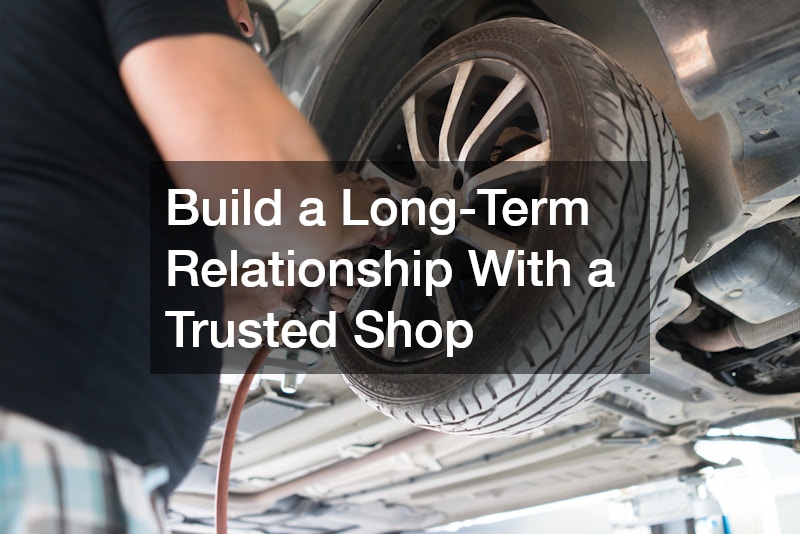
Establishing a relationship with a reliable repair provider offers numerous benefits. When a shop is familiar with your vehicle’s history, they can provide more accurate recommendations and faster service.
Working with professionals who specialize in local auto body repairs ensures that you receive personalized attention and consistent quality. These experts understand the specific needs of your vehicle and can tailor their services accordingly.
Additionally, having a go-to auto collision shop means you’ll know exactly where to turn in case of an emergency. This familiarity reduces stress and ensures that your vehicle is handled by trusted professionals.
Over time, this relationship can lead to better service, priority scheduling, and greater peace of mind.
Driving Toward Long-Term Reliability and Confidence
Maintaining your vehicle doesn’t have to be overwhelming. With the right approach, you can stay ahead of problems, reduce repair costs, and enjoy a smoother driving experience.
By building consistent habits, addressing issues early, and working with trusted professionals, you create a strong foundation for long-term reliability. Every step you take toward proactive care helps protect your investment and ensures your safety on the road.
A well-maintained vehicle isn’t just about performance—it’s about confidence. Knowing your car is in excellent condition allows you to drive with peace of mind, no matter where the road takes you.