Key Takeaways
- Regular inspections of the engine, tires, brakes, and fluids help prevent small issues from turning into costly repairs and unexpected breakdowns.
- Following a structured maintenance schedule (weekly, monthly, seasonal, and annual checks) keeps your vehicle consistently safe and reliable.
- Tire condition and braking systems are critical safety components that directly affect control, stopping distance, and road stability.
- Monitoring all vehicle fluids—not just engine oil—ensures proper lubrication, cooling, and system performance across the entire vehicle.
- Driving habits have a significant impact on vehicle lifespan, with smooth and controlled driving reducing wear and improving fuel efficiency.
- Keeping detailed maintenance records helps track service history, improves repair accuracy, and increases resale value over time.
- Being prepared with a roadside emergency kit adds an extra layer of safety for unexpected situations on the road.
A well-maintained vehicle is not only more reliable but also significantly more cost-efficient over time. Many car owners tend to overlook routine upkeep until problems become unavoidable, often resulting in expensive repairs and unnecessary downtime. A structured maintenance checklist helps prevent this by ensuring every critical component of your vehicle is inspected and serviced at the right intervals.
Whether you use your car for daily commuting, long-distance travel, or occasional weekend drives, understanding what needs attention—and when—can extend your vehicle’s lifespan and improve safety on the road. This comprehensive guide breaks down everything you need to know into a practical, easy-to-follow maintenance checklist that every car owner can rely on.
Why is a Vehicle Maintenance Checklist So Important?
A vehicle is a complex machine made up of interconnected systems that must work together seamlessly. Without regular inspection, small issues can quickly escalate into major mechanical failures. A maintenance checklist provides structure, helping car owners stay consistent and proactive rather than reactive.
A well-planned checklist ensures that no critical component is overlooked. It also helps improve road safety, maintain fuel efficiency, and preserve resale value. More importantly, it reduces the likelihood of sudden breakdowns that can disrupt daily routines.
Key benefits of having a maintenance checklist include:
- Improved safety on the road by catching issues early before they become dangerous.
- Lower repair costs by addressing minor problems before they escalate.
- Better fuel efficiency through properly maintained engines and tires.
- Extended vehicle lifespan with consistent care and servicing.
By following a structured approach, car owners can maintain confidence in their vehicle’s condition at all times.
How Often Should You Inspect Your Vehicle?
Understanding timing is just as important as knowing what to inspect. Many drivers assume maintenance is only necessary during annual service appointments, but in reality, different components require attention at different intervals.
A balanced schedule ensures your car remains in optimal condition year-round without unnecessary over-servicing.
General inspection frequency guidelines:
- Weekly checks: Tire pressure, fluid leaks, lights, and windshield wipers.
- Monthly checks: Engine oil, coolant levels, battery condition, and brake response.
- Every 3–6 months: Tire rotation, alignment check, and filter inspection.
- Annually: Full diagnostic inspection and comprehensive servicing.
Driving habits, climate conditions, and mileage also affect how often maintenance is required. For example, vehicles used in heavy traffic or extreme weather may need more frequent checks.
Consistency is key. Even quick inspections can prevent long-term damage when done regularly and correctly.
What Should You Check Under the Hood?
The engine is the heart of your vehicle, and its performance depends heavily on regular fluid and component checks. Neglecting under-the-hood maintenance can lead to overheating, reduced performance, or even engine failure.
A proper engine inspection should focus on fluids, belts, and filters, all of which play critical roles in vehicle operation.
Important engine and fluid components to check:
- Engine oil: Ensure it is at the correct level and free from contamination.
- Coolant: Prevents overheating and maintains optimal engine temperature.
- Brake fluid: Essential for safe braking performance and responsiveness.
- Transmission fluid: Supports smooth gear shifting and prevents wear.
- Air filter: Keeps dust and debris from entering the engine system.
It is also important to check for visible leaks, worn belts, or unusual engine noises. Early detection can prevent costly repairs and ensure the vehicle runs efficiently.
A clean and well-maintained engine bay reflects proper care and contributes to long-term reliability.
Are Your Tires and Brakes Really Safe?
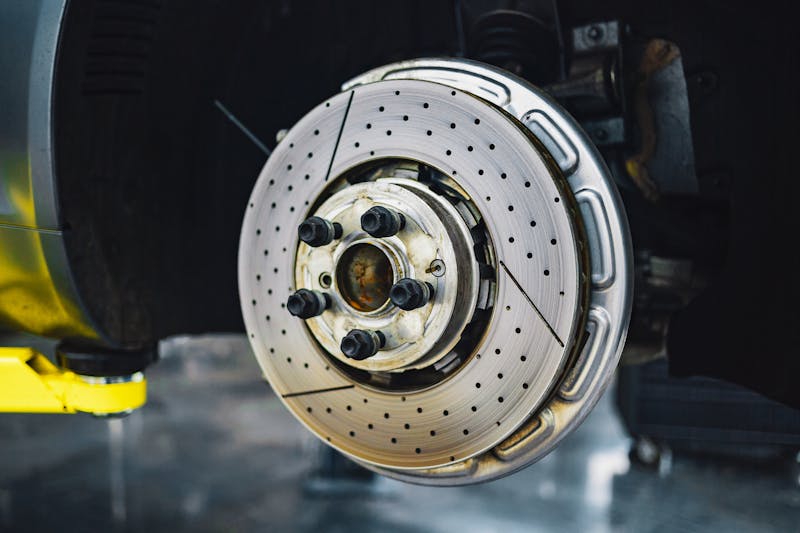
Tires and brakes are two of the most critical safety components in any vehicle. They directly affect your ability to stop, steer, and maintain control under different driving conditions. Ignoring these systems can significantly increase the risk of accidents.
Regular inspection ensures optimal traction, braking power, and stability on the road.
Key areas to inspect:
- Tire pressure: Incorrect pressure leads to uneven wear and reduced fuel efficiency.
- Tread depth: Worn tires reduce grip, especially on wet or slippery roads.
- Brake pads: Thin or worn pads can compromise stopping distance.
- Brake discs: Should be smooth and free from deep grooves or damage.
- Wheel alignment: Misalignment causes uneven tire wear and steering issues.
Rotating tires every few months helps distribute wear evenly and extend their lifespan. Similarly, brake inspections should be done frequently, especially if you notice squeaking sounds or reduced responsiveness.
Safe driving starts with properly maintained tires and brakes.
How Do You Maintain Battery and Electrical Systems?
Modern vehicles rely heavily on electrical systems for everything from ignition to lighting and infotainment. A weak or failing battery can leave you stranded unexpectedly, making regular inspection essential.
Battery and electrical system maintenance is often overlooked until a problem occurs, but proactive checks can prevent inconvenience and costly replacements.
Key maintenance tasks include:
- Battery terminals: Clean corrosion buildup to ensure proper connection.
- Battery charge: Test voltage regularly to avoid sudden failure.
- Alternator function: Ensures the battery remains charged while driving.
- Headlights and indicators: Replace dim or flickering bulbs immediately.
- Fuses and wiring: Inspect for damage or wear that may affect performance.
Cold weather and long periods of inactivity can weaken batteries, so extra attention is needed during such conditions. A healthy electrical system ensures reliable starts and consistent vehicle performance.
How Can You Keep Your Car’s Interior and Exterior in Good Shape?
Vehicle maintenance is not limited to mechanical components. The interior and exterior also require regular care to preserve comfort, aesthetics, and resale value. Dirt buildup, UV exposure, and neglect can quickly degrade both appearance and functionality.
A clean vehicle also enhances driving comfort and reduces long-term wear on materials.
Important maintenance practices include:
- Exterior washing: Removes dirt, salt, and contaminants that cause corrosion.
- Waxing: Protects paint from UV rays and environmental damage.
- Interior vacuuming: Prevents dust buildup and maintains air quality.
- Dashboard care: Avoids cracking caused by heat exposure.
- Upholstery cleaning: Extends the life of seats and fabric surfaces.
Regular detailing not only keeps your vehicle looking new but also helps protect its structural integrity over time.
How Should You Prepare Your Vehicle for Different Seasons?
Seasonal changes can significantly affect vehicle performance. Temperature shifts, rain, and road conditions all require adjustments in maintenance routines. Preparing your car for each season ensures safety and reliability regardless of environmental conditions.
A proactive seasonal approach reduces unexpected breakdowns and improves driving confidence.
Seasonal maintenance checklist:
- Rainy season: Check wipers, brakes, and tire tread for wet conditions.
- Hot season: Inspect the coolant system and ensure proper engine cooling.
- Cold conditions: Test battery strength and check tire flexibility.
- Long trips: Perform a full inspection before extended travel.
Each season presents unique challenges, so adapting your maintenance routine is essential. Small adjustments can make a big difference in performance and safety.
Should You Do It Yourself or Rely on Professionals?
Vehicle maintenance can be approached in two ways: basic DIY tasks and professional servicing. Understanding the difference helps car owners manage costs while ensuring proper care for complex systems.
Simple tasks like checking tire pressure or replacing wiper blades can often be done at home. However, advanced diagnostics and mechanical repairs require professional expertise.
DIY-friendly maintenance tasks:
- Checking fluid levels and topping them up
- Cleaning battery terminals
- Replacing air filters and wiper blades
- Inspecting tire pressure and tread
Professional services are necessary for:
- Engine diagnostics and repairs
- Brake system servicing
- Transmission maintenance
- Electrical system troubleshooting
At this stage, many car owners benefit from investing in the right garage setup to support basic inspections and minor repairs safely and efficiently.
Balancing DIY care with professional servicing ensures both cost savings and long-term reliability.
How Does Regular Maintenance Help You Save Money?
One of the most overlooked benefits of vehicle upkeep is financial savings. While routine maintenance may seem like an added expense, it actually reduces long-term costs by preventing major repairs and improving efficiency.
Neglecting maintenance often leads to breakdowns that are significantly more expensive than preventive care.
Financial benefits include:
- Lower repair costs by fixing issues early
- Improved fuel efficiency through optimized engine performance
- Reduced tire replacement frequency
- Higher resale value due to better condition
In many cases, maintaining your vehicle consistently results in fewer emergency repairs and less downtime. Over time, these savings can amount to a significant financial advantage for car owners.
How Do You Identify Early Warning Signs of Vehicle Problems?
Catching early warning signs is one of the most effective ways to prevent costly repairs and unexpected breakdowns. Most major vehicle issues do not happen suddenly—they usually develop over time and show subtle symptoms that many drivers ignore. Learning to recognize these indicators allows you to take action before the problem worsens.
Common warning signs include unusual noises such as grinding, squealing, or knocking, which may indicate issues with brakes, belts, or the engine. Vibrations in the steering wheel often point to alignment or tire imbalance problems. Warning lights on the dashboard should never be ignored, as they are designed to alert you to specific system failures.
Other symptoms to watch for include reduced fuel efficiency, difficulty starting the engine, or changes in braking responsiveness. Even small differences in how your vehicle feels or sounds can be meaningful. Paying attention to these signals ensures that minor issues are resolved early, reducing long-term repair costs and improving road safety.
What Fluids are Most Often Overlooked in Vehicle Maintenance?
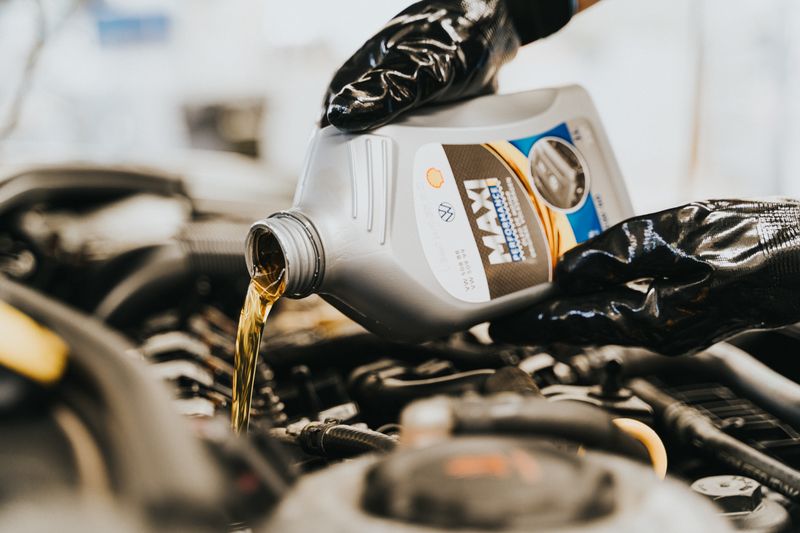
While most car owners remember engine oil, several other essential fluids are often neglected despite their importance to overall vehicle performance. These fluids play a vital role in lubrication, cooling, braking, and steering systems, and ignoring them can lead to serious mechanical issues.
Power steering fluid, for example, ensures smooth and responsive steering. When levels are low, drivers may experience stiffness or whining noises while turning. Similarly, windshield washer fluid is often forgotten but is essential for visibility and safety in dusty or rainy conditions.
Differential fluid and transfer case fluid (in AWD or 4WD vehicles) are also critical but frequently overlooked. These lubricate gears and ensure smooth power distribution across wheels. Low or degraded fluid in these systems can lead to overheating or gear damage.
Regularly checking and replacing all vehicle fluids—not just engine oil—ensures that every system functions efficiently and helps prevent avoidable wear and tear.
How Can You Build a Consistent Maintenance Routine?
Consistency is the foundation of effective vehicle care. Even the most detailed checklist is useless if it is not followed regularly. Building a maintenance routine helps car owners stay organized and reduces the likelihood of forgetting essential tasks.
A practical approach is to align maintenance activities with specific time intervals. For example, weekly checks can include tire pressure and fluid levels, while monthly routines can focus on battery health and brake responsiveness. Quarterly inspections may involve tire rotation and alignment checks, while annual servicing should include comprehensive diagnostics.
Using reminders, calendars, or mobile apps can help maintain discipline. Many drivers also benefit from keeping a simple logbook that records service dates, repairs, and part replacements. This not only improves consistency but also helps track vehicle performance over time.
A structured routine transforms maintenance from a reactive task into a proactive habit, ensuring long-term reliability and reducing the risk of unexpected breakdowns.
What Should Be Included in a Roadside Emergency Kit?
Even with proper maintenance, emergencies can still happen on the road. Having a well-prepared roadside emergency kit ensures that you are ready to handle unexpected situations safely and efficiently. This is especially important for long drives or travel through remote areas.
A basic emergency kit should include jumper cables, a tire inflator or sealant, and a spare tire with necessary tools. These items help address common issues such as dead batteries or flat tires. A flashlight with extra batteries is also essential for nighttime emergencies.
Additional safety items include reflective warning triangles, a first aid kit, and basic tools like pliers and screwdrivers. Bottled water, non-perishable snacks, and a phone charger or power bank can also be extremely helpful during long waits for assistance.
Being prepared for emergencies reduces stress, improves safety, and ensures that minor breakdowns do not turn into major problems.
How Does Driving Behavior Affect Vehicle Condition?
Many drivers underestimate the impact of driving habits on vehicle health. Aggressive driving behaviors such as rapid acceleration, sudden braking, and high-speed cornering place unnecessary stress on mechanical components. Over time, these habits can significantly reduce the lifespan of your vehicle.
Smooth and controlled driving helps preserve brake pads, tires, and suspension systems. It also improves fuel efficiency and reduces engine strain. For example, gradual acceleration allows the engine to operate more efficiently, while steady braking reduces wear on brake components.
Idling for long periods and frequently driving on rough roads can also accelerate wear and tear. Even small adjustments in driving behavior can have a noticeable impact on long-term maintenance costs.
By adopting a more mindful driving style, car owners can extend vehicle life, reduce repair frequency, and maintain better overall performance.
Why is Tracking Maintenance Records So Important?
Keeping detailed maintenance records is often overlooked, but it plays a crucial role in long-term vehicle management. A well-documented service history helps you track what has been done, when it was done, and what may need attention in the future.
Maintenance records are especially valuable when diagnosing recurring issues. They allow mechanics to identify patterns and make more accurate repairs. They also help ensure that no service intervals are missed, particularly for critical components like brakes, fluids, and timing belts.
From a financial perspective, organized records increase resale value. Potential buyers are more likely to trust a vehicle with a complete service history, as it demonstrates responsible ownership and proper care.
Records can be maintained in a physical logbook or digitally through apps. Either way, consistency is key. A well-maintained record system supports better decision-making and ensures that your maintenance efforts are both efficient and effective.
Conclusion
A complete maintenance routine ensures that every part of your vehicle remains in optimal condition. By following a structured checklist, car owners can reduce risks, improve performance, and extend the life of their vehicles.
A consistent approach to car care builds long-term reliability and safety. Vehicles that are properly maintained not only perform better but also provide peace of mind for every journey.